At WKB-Bearing, we've seen tapered roller bearings power everything from car wheels to massive industrial machines. These bearings are champs at handling both radial and axial loads, which explains why taper roller bearing used so widely across industries, but they're not without their quirks. Many customers ask about taper roller bearing advantages and disadvantages, and how they fit into specific applications. Understanding the key tapered roller bearing advantages can help engineers make better bearing selections for demanding operating environments. In practical engineering evaluations, the advantages of taper roller bearing are often analyzed in relation to load capacity, durability, and service life. Let's dive in, share our insights, and help you decide if our high-quality China tapered roller bearings are the right choice for your needs.
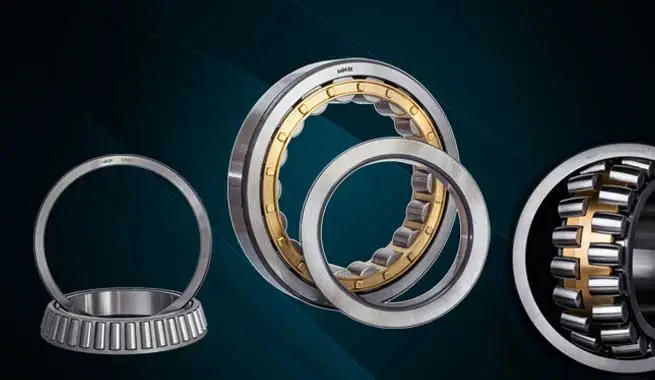
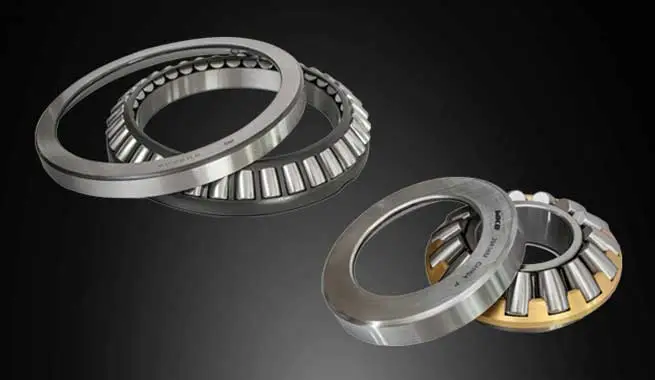
The tapered roller bearings definition is straightforward: tapered roller bearings are rolling-element bearings with conical rollers nestled between an inner ring (cone) and an outer ring (cup). Their tapered design lets them tackle both radial loads (perpendicular to the shaft) and axial loads (thrust along the shaft), unlike cylindrical roller bearings, which mainly handle radial loads. The conical rollers make line contact with the raceways, spreading forces evenly and keeping friction low.
Why They Stand Out: We love their ability to manage combined loads, making them ideal for tough jobs like automotive axles or heavy machinery. At WKB-Bearing, we craft China tapered roller bearings to meet global standards, ensuring top-notch performance and durability. These benefits highlight several important taper bearing uses across industrial and transportation sectors.
Understanding the advantages of taper roller bearing helps engineers select the right solution for applications requiring reliable load handling, durability, and long-term performance. Here’s why we often recommend tapered roller bearings for demanding applications:
· Combined Load Capacity: They handle both radial and axial loads, perfect for complex systems like vehicle wheel hubs or gearboxes.
· High Durability: Made from high-strength steel, they stand up to wear, fatigue, and shock loads when properly maintained.
· Separable Design: The cone and cup are separable, making them easy for us to install, remove, and maintain.
· Precision Performance: Double-row and matched pair designs offer high precision for applications like machine tools.
· Long Service Life: With proper lubrication and alignment, we’ve seen these bearings last years in harsh conditions.
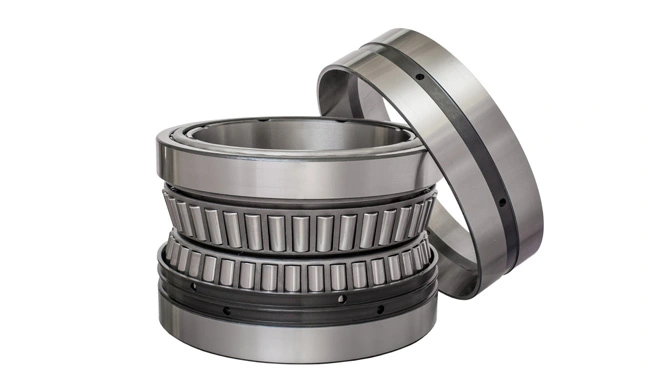
· Versatility: Available in single-row, double-row, and four-row configurations, they suit a wide range of needs.
Insight: We’ve found that the separable design saves significant downtime during maintenance, especially in industries like automotive or construction where every minute matters.
No bearing is perfect, and we’ve learned tapered roller bearings have some limitations to consider:
· Sensitivity to Misalignment: Their conical design makes them less tolerant of misalignment than spherical roller bearings in tapered roller bearing vs spherical roller bearing comparisons, potentially leading to uneven loading and early failure. When evaluating bearing selection, engineers should also consider spherical roller bearing advantages and disadvantages, particularly in applications where shaft deflection or misalignment is common.
· Complex Installation: We’ve noticed that setting the right preload or clearance requires precision, which can be more involved than with cylindrical bearings.
· Higher Cost: They’re often pricier than ball bearings or cylindrical roller bearings due to their complex design and manufacturing.
· Limited Speed Capability: While they handle moderate speeds well, we avoid them in ultra-high-speed applications where ball bearings perform better.
· Maintenance Needs: They require regular lubrication and inspection to prevent wear, especially in high-load or high-temperature environments.
Insight: We always emphasize proper alignment during installation. Using precision tools can prevent misalignment issues and significantly extend the bearing’s lifespan.
We've seen tapered roller bearings shine in industries where combined loads and durability are critical. Common tapered roller bearing uses include:
· Automotive: Wheel hubs, transmissions, and differentials rely on them for handling radial and axial forces.
· Industrial Machinery: Gearboxes, pumps, and compressors use them for their robustness under heavy loads.
· Construction: Excavators, bulldozers, and cranes depend on their ability to withstand tough conditions.
· Aerospace: Aircraft landing gear and engines use precision tapered bearings for reliability.
· Railways: Train axle boxes benefit from their high load capacity and long service life.
· Mining and Steel: Four-row bearings handle extreme loads in crushers and rolling mills.
Table: Common Applications of Tapered Roller Bearings
Industry | Application | Why Tapered Bearings? |
Automotive | Wheel hubs, transmissions | Handles combined loads |
Industrial | Gearboxes, pumps | High durability, precision |
Construction | Excavators, cranes | Robust in harsh conditions |
Aerospace | Landing gear, engines | High precision, reliability |
Railways | Axle boxes | Long service life |
Mining/Steel | Crushers, rolling mills | Extreme load capacity |
Insight: The global bearing market is projected to reach $199.2 billion by 2026, with tapered roller bearings driving demand in automotive and heavy industry. Our China tapered roller bearings are engineered to meet these needs with exceptional quality.
We often get asked how tapered roller bearings compare to other types, like cylindrical roller bearings or ball bearings. Here’s our breakdown:
Tapered: Excel at handling both radial and axial loads due to their conical design. We use them in applications like car axles where thrust forces are present.
Cylindrical: Focus on radial loads with limited axial capacity unless designed with ribs (e.g., NJ type). We choose them for pure radial load applications like electric motors.
Key Difference: Tapered bearings are better for combined loads, while cylindrical bearings prioritize radial load capacity.
Tapered: Handle heavier combined loads, but are limited in speed compared to ball bearings.
Ball Bearings: Better for high-speed, lighter-load applications due to their point contact design, like in small motors.
Key Difference: Ball bearings are ideal for high speeds, while tapered bearings are suited for heavy, combined loads. This comparison often leads customers to evaluate ball bearing vs tapered roller bearing performance based on load capacity, speed requirements, and service life expectations.
Table: Tapered Roller Bearings vs. Cylindrical vs. Ball Bearings
Feature | Tapered Roller Bearings | Cylindrical Roller Bearings | Ball Bearings |
Load Type | Radial + Axial | Radial (limited axial) | Radial + Axial (lighter) |
Contact | Line (conical) | Line (straight) | Point |
Speed | Moderate | Moderate to high | High |
Misalignment | Low tolerance | Low tolerance | Moderate (self-aligning types) |
Common Uses | Wheel hubs, gearboxes | Electric motors, pumps | Fans, small motors |
Recognizing the advantages of taper roller bearing can help users improve equipment reliability and make better decisions when choosing bearing solutions for demanding applications. Here are some key lessons we’ve learned about tapered roller bearings:
· Alignment is Critical: Misalignment can cause uneven loading, so we use precision tools to ensure proper installation.
· Lubrication is Key: Regular lubrication with high-quality grease or oil can double the bearing’s service life in high-load applications.
· Quality Pays Off: Our China tapered roller bearings are crafted to global standards, offering cost-effective reliability for critical applications.
What are the advantages of tapered roller bearings?
They handle combined radial and axial loads, offer durability, have a separable design for easy maintenance, and provide precision for demanding applications.
What are the disadvantages of tapered roller bearings?
They’re sensitive to misalignment, require precise installation, are pricier than some alternatives, and have limited speed capability compared to ball bearings.
What are tapered roller bearings used for?
We use them in automotive wheel hubs, gearboxes, construction equipment, aerospace, railways, and mining for their ability to handle combined loads.
How do tapered roller bearings compare to cylindrical roller bearings?
Tapered bearings handle both radial and axial loads, while cylindrical bearings focus on radial loads with limited axial capacity unless specially designed.
Why choose China tapered roller bearings?
Our China tapered roller bearings at WKB-Bearing combine high quality, durability, and cost-effectiveness, meeting global standards for heavy-duty applications.
What’s the difference between tapered roller bearings and ball bearings?
Tapered bearings handle heavier combined loads with moderate speeds, while ball bearings are better for lighter loads and high-speed applications.
How can I maximize the lifespan of tapered roller bearings?
We recommend proper alignment, regular lubrication, and using high-quality bearings suited to your application’s load and environmental conditions to maximize the tapered roller bearing advantages.
· MRO Magazine. (2011). From All Directions: Pros and Cons of Tapered Roller Bearings.
· Schaeffler Group. (2022). Tapered Roller Bearings: Design and Applications.
· NTN Corporation. (n.d.). Tapered Roller Bearings Overview.
· The Timken Company. (2020). Engineering Manual: Tapered Roller Bearings.
· Design World. (2016). Selecting the Right Roller Bearings for Your Application.
· IEEE Xplore. (2021). Roller Bearings: Performance and Limitations.
· Plant Engineering. (2019). Understanding Tapered Roller Bearings in Industry.
· Koyo Bearings. (n.d.). Tapered Roller Bearings Guide.
· Engineering.com. (2020). Roller Bearings: Types and Performance.